
Key Points
- At Black Hat, top U.S. cyber officials said stronger government and private-sector collaboration is essential to implementing the new National Cyber Strategy and improving information sharing.
- Federal leaders outlined a cybersecurity approach focused on disrupting adversaries, protecting critical infrastructure, rebuilding the workforce, and prioritizing the most consequential risks.
- IANS Faculty say the strategy shifts the focus from regulation and compliance toward resilience, placing greater responsibility on organizations to help defend against cyber threats.
Black Hat: Top Federal Cyber Officials Make the Case for Industry-Wide Collaboration
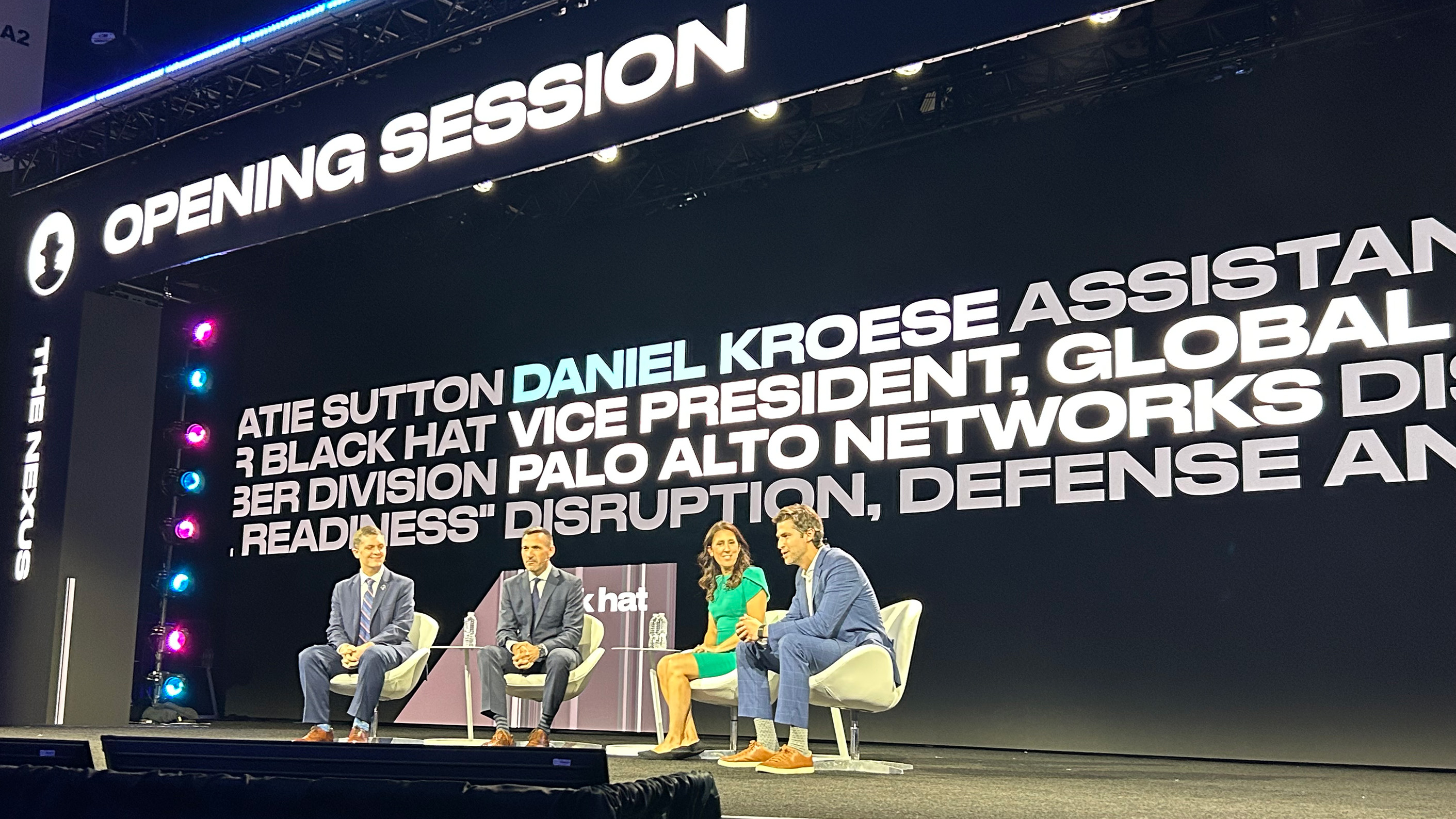
U.S. officials discussed the implementation of the Trump administration’s National Cyber Strategy at Black Hat USA, making the case for more government/private industry collaboration.
The Cyber Strategy, released on March 6, outlined a shift to a more offensive approach to digital security, a more hands-off regulatory approach to innovation, and deeper industry partnerships.
At Black Hat, White House Cyber Director Sean Cairncross emphasized the private sector’s role in shaping future U.S. cyber strategy by linking industry partners’ frontline threat expertise with national priorities for deterring attackers.
"What needs to be built is a flexible, adaptable source that enables information sharing between industry and government."
Acting CISA Director Nick Andersen pointed to how these partnerships will shape CISA, the FBI, and the Pentagon’s efforts to deploy advanced cyber capabilities in military operations, rebuild the cyber workforce, deter attackers, and secure critical infrastructure.
"We're not going to be able to secure everything, everywhere, all at once. It has to be focused on ruthless prioritization. We're focused on things that are going to be most consequential and focused on public health and safety, national security, and the overall economy."
On AI, Cairncross noted the Trump admin. is trying to balance responsible AI deployment, national security and economic competitiveness.
"Everyone is working towards the same goal… and we are trying to ensure that defenders have this technology as quickly and at scale as possible, but there are obviously specific security concerns, and industry has been very sensitive to this as well."
At the same time, Cairncross acknowledged the future of U.S. cybersecurity depends on mastering the fundamentals, while warning that AI could transform attacks and expose technical debt in legacy systems.
"Every enterprise needs to take care of the low hanging fruit and they need to do it at speed. AI models don’t necessarily create new problems, they bring latent problems to the surface.”
IANS Faculty Recommendations
- Reframe your program around resilience: Expect deregulation to prompt budget scrutiny. Define the systems and processes your program protects and link each investment to its resilience impact.
- Align on private-sector coordination: Get legal, incident response and government affairs aligned on public-private threat sharing protocols.
- Know your AI supply chain: Identify where your models originate, what data flows through them and your fallback if a vendor is restricted.
Authors & Contributors
Emily Dempsey, Author - Security Reporter, IANS News
Nuria Diaz Munoz, Author - Security Reporter, IANS News
Although reasonable efforts will be made to ensure the completeness and accuracy of the information contained in our News & blog posts, no liability can be accepted by IANS or our Faculty members for the results of any actions taken by individuals or firms in connection with such information, opinions, or advice.