
Learning from the Past: Safe Deployment of AI Agents

Today's rapid deployment of AI agents can be compared to another critical moment in high-tech history: the rollout of Microsoft SQL Server in the early 2000s. The "Slammer worm" incident was a fast-spreading computer worm that exploited a buffer overflow in Microsoft SQL Server 2000, which ultimately caused massive internet slowdowns, router crashes, and denial-of-service issues across networks globally. The memorable even should serve as a cautionary tale of what can go wrong when new technologies are released without the proper safeguards in place. Enter Agentic AI.
DOWNLOAD NOW: Accelerate Secure Adoption of Agentic AI
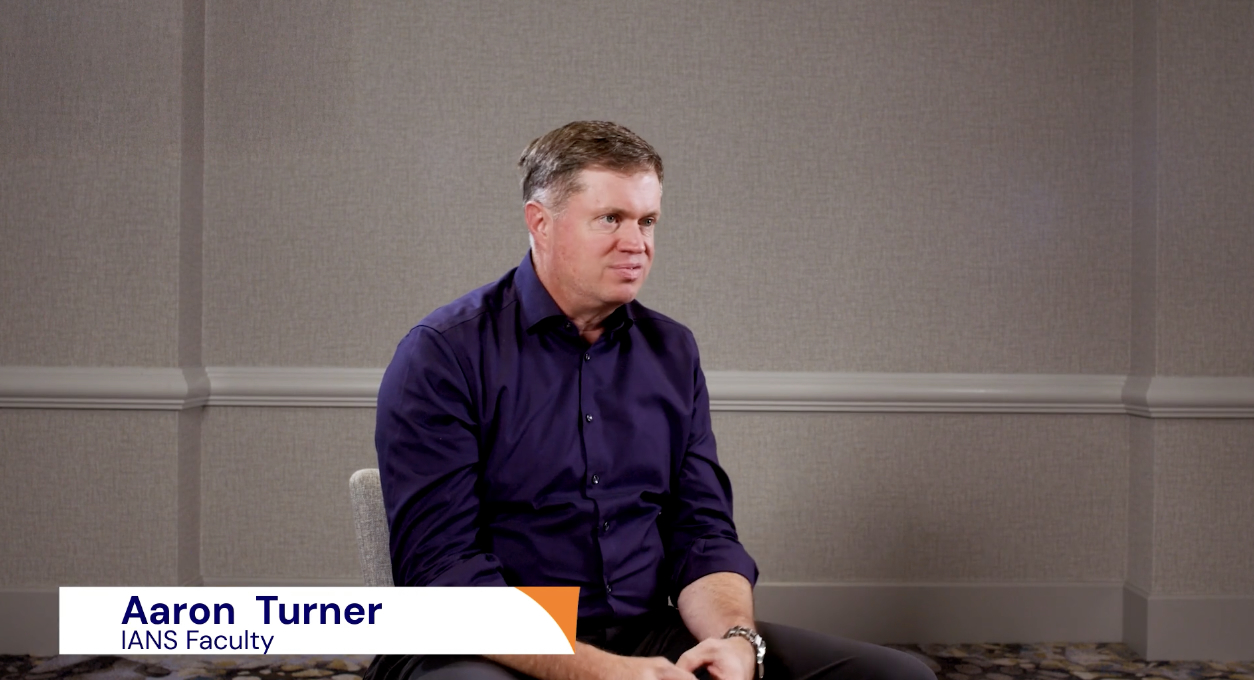
IANS Faculty Aaron Turner explains, in a recent video, that similar to how the spread of database servers led to unexpected consequences in 2003, the current proliferation of AI Agents and MCP servers brings both great potential and significant risk to enterprise organizations.
Watch the full video here:
Security leaders must communicate the need for enterprise organizations to deploy these technologies in controlled, test environments—ensuring that risky experimentation happens safely, away from vulnerable desktops and endpoints. By learning from the past and implementing rigorous development and monitoring practices, organizations can harness the power of AI Agents while minimizing potential disruptions to their businesses.
READ MORE: Is Your Identity Framework Ready for Agentic AI?
Subscribe to IANS Research YouTube Channel for more practical guidance from IANS Faculty members: youtube.com/@ians_research
Download our 2025 Security Software and Services Benchmark Report—and gain access to valuable insights and practical strategies for managing vendors and MSSPs, especially during periods of budget constraints.
Download the 2025 Security Organizational Design Benchmark Snapshot Report. This snapshot report of Fortune-500-size security organizational design is a preview of the full 2025 Security Organizational Design Benchmark Report, which helps CISOs refine their cybersecurity organizations by showing how top Fortune 500, large, and midsize companies structure security teams, allocate budgets for staffing, and set compensation levels for various management and individual contributor roles. It includes insights on team design, leadership positions, and pay ranges broken out by three distinct revenue and staffing clusters: contact us now to request the full report.
Although reasonable efforts will be made to ensure the completeness and accuracy of the information contained in our blog posts, no liability can be accepted by IANS or our Faculty members for the results of any actions taken by individuals or firms in connection with such information, opinions, or advice.