
Key Points
- Threat actors used OpenClaw as a lure to distribute more than 300 trojanized GitHub packages by posing as a legitimate Docker-based installer.
- Traditional controls were bypassed through trust abuse, and the campaign exploited supply chain blind spots, highlighting a growing governance gap as AI scales both attacks and developer self-installation behaviors.
- IANS Faculty recommend updating controls and internal governance structures to prepare for more emerging supply chain threats from AI-augmented attacks.
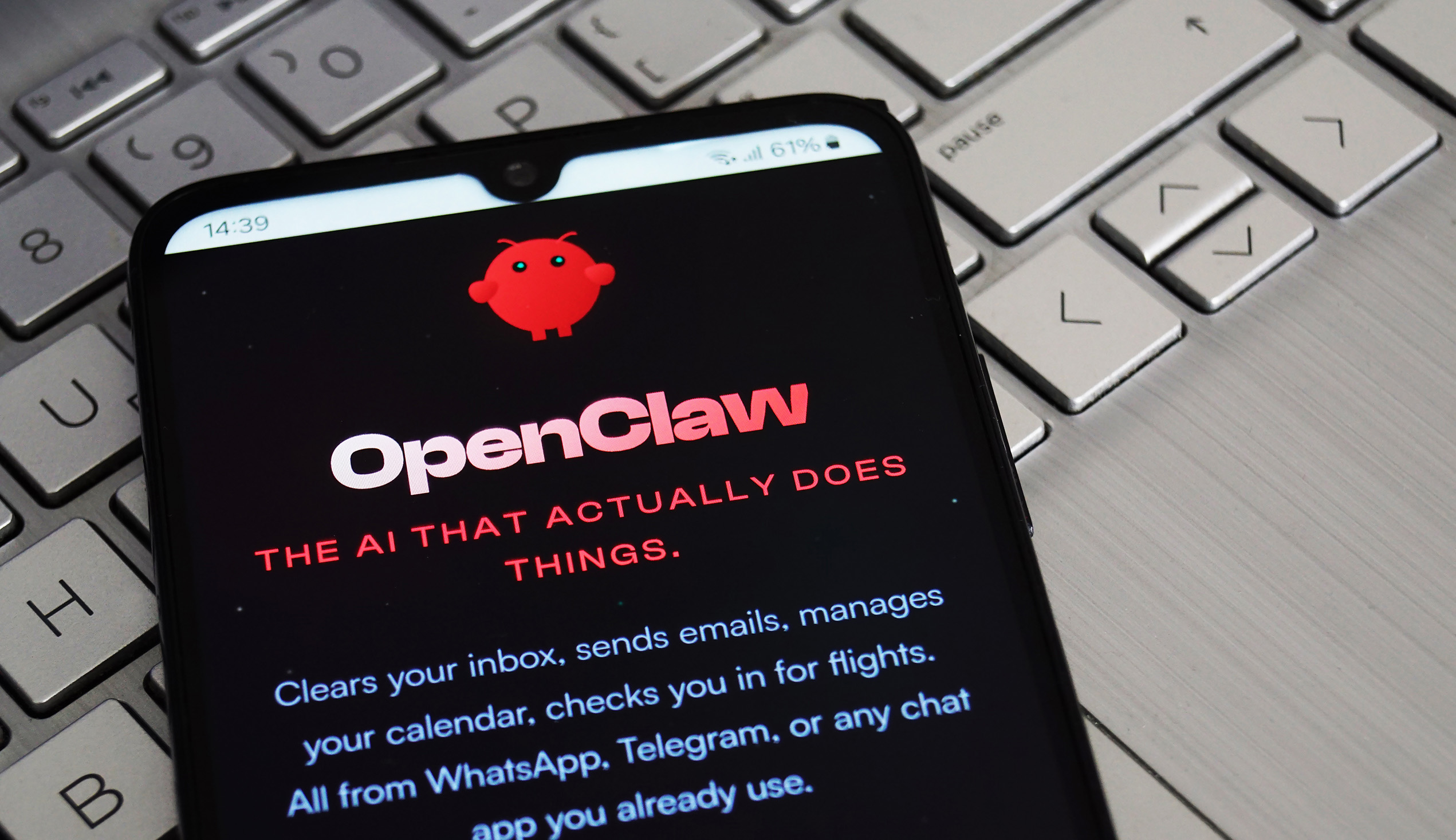
An AI‑assisted malware campaign quietly spread more than 300 trojanized packages through a fake OpenClaw “Docker deployer” repository on GitHub, targeting developers searching for a fast, trusted way to stand up the popular open‑source AI agent framework.
The attackers cloned the legitimate upstream project, wrapped it in a polished README with Linux and Windows install instructions, created a convincing github.io page, and even listed multiple contributors -- including at least one legitimate developer who appears to have contributed real code in good faith. That social proof helped the repo blend seamlessly into normal developer workflows.
The malware was split into benign‑looking components that passed sandbox checks individually, only revealing malicious behavior when executed together. Once triggered, it captured screenshots, geolocated victims, and exfiltrated sensitive data to attacker‑controlled infrastructure.
Researchers at Netskope say the scale and consistency of the campaign -- tracked as “TroyDen’s Lure Factory” -- suggest AI‑assisted development and automation, reflecting a broader shift toward using AI to industrialize social engineering, malware packaging, and distribution.
“The OpenClaw ecosystem is navigating a high-stakes security reckoning as viral growth collides with sophisticated malware campaigns. The adversary didn’t break in, they were invited in.” Jeff Brown, IANS Faculty
Big Picture
As developers race to adopt agentic AI tools, they’re often doing so without fully accounting for how much trust those tools inherit by default, and how quickly that trust can be abused.
Unlike traditional developer utilities, agentic tools are typically granted the same level of access as the developer using them: API keys, cloud credentials, CI/CD permissions, and visibility into production and staging environments. That access dramatically raises the stakes of a compromised install.
A malicious package can move laterally into build pipelines, production systems, and even downstream customers in a matter of minutes, turning a single developer action into a supply‑chain event.
“The risk here is the downstream blast radius. Developer machines carry API keys, cloud credentials, and production secrets. One bad install can turn into pipeline compromise fast.” Jeff Brown, IANS Faculty
Attackers are deliberately placing malicious code inside the same channels developers rely on to move quickly -- public repositories, copy‑paste install commands, and “official‑looking” tooling that appears safe at a glance.
“This isn’t really a GitHub issue; it’s a trust model issue. Developers (and now AI agents) are dynamically pulling code and tools into workflows, and the controls haven’t kept pace.” George Gerchow, IANS Faculty
As agentic AI adoption accelerates, that trust gap widens. Security teams need visibility into what agents are able to access to keep their environments secure.
“This is another example of why data identity runtime control needs to converge. If you’re still relying on static scanning or reputation, you’re falling behind.” George Gerchow, IANS Faculty
IANS Faculty Recommendations
- Audit AI tool sprawl now: Pull an inventory of what’s been installed in the last 90 days across developer machines and CI environments. If you can’t do that, that’s the first control gap to fix.
- Treat developer environments as Tier 0: Developer laptops and workstations are now high‑risk control planes. They hold credentials, tokens, and pipeline access and deserve the same monitoring and policy enforcement as production systems.
- Treat GitHub signals as untrusted input: Stars, forks, and contributor lists are easy to fake at scale. Reset developer assumptions about what’s “safe” to use and assume developer endpoints warrant elevated monitoring regardless of whether OpenClaw is in your environment.
- Hunt for behavior, not signatures: This campaign used a renamed LuaJIT interpreter and heavily obfuscated payloads. Signature‑based tools will miss it. If your EDR isn’t tuned for behavioral detection, this kind of attack will pass straight through.
- Focus on exposing non‑human identities: The real blast radius comes from service accounts, API keys, and tokens. If these aren’t tightly scoped, short‑lived, and monitored, a single malicious install can enable rapid lateral movement into pipelines and production.
George Gerchow, IANS Faculty
Jeff Brown, IANS Faculty
Authors & Contributors
Emily Dempsey, Author - IANS Security Reporter
George Gerchow, IANS Faculty
Jeff Brown, IANS Faculty
Although reasonable efforts will be made to ensure the completeness and accuracy of the information contained in our News and blog posts, no liability can be accepted by IANS or our Faculty members for the results of any actions taken by individuals or firms in connection with such information, opinions, or advice.